
News
Company updates, exhibition schedules and brewing knowledge from our engineering team.
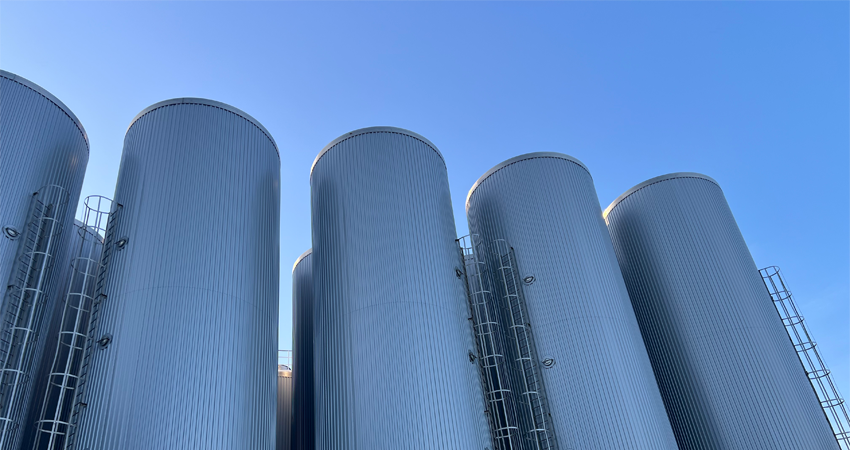
During communications for brewery projects, clients often ask one question: how many tons of beer can this set of equipment produce per year? Many people first think of checking the equipment scale, such as the tonnage of the brewhouse and the volume of fermentation tanks. However, based on practical project experience, production capacity is never a single parameter, but a result determined by multiple systems together.
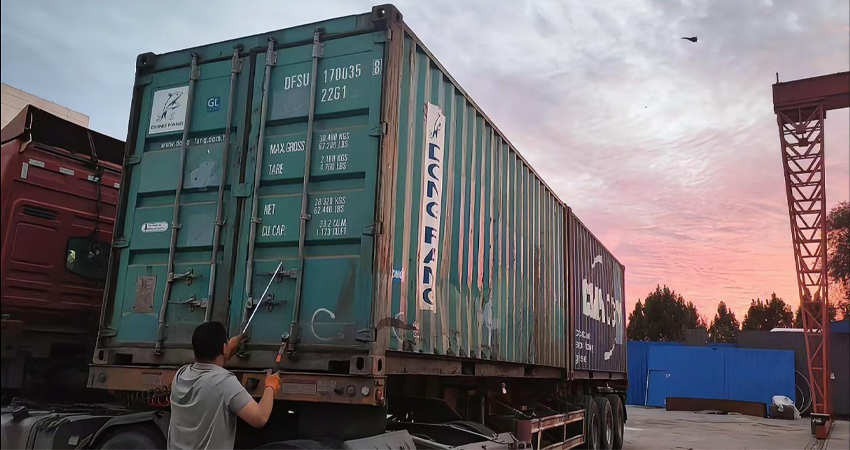
Since the construction of the 100,000-ton annual output project in Africa was launched, Shandong Jingying Engineering Equipment Co., Ltd. has made steady progress. Recently, the project equipment has been successfully shipped in two batches. It is traveling across mountains and seas to the project site in East Africa, pressing the "fast-forward button" for the completion of this overseas brewery. During the project advancement, the company implemented tasks item by item and ensured orderly conne
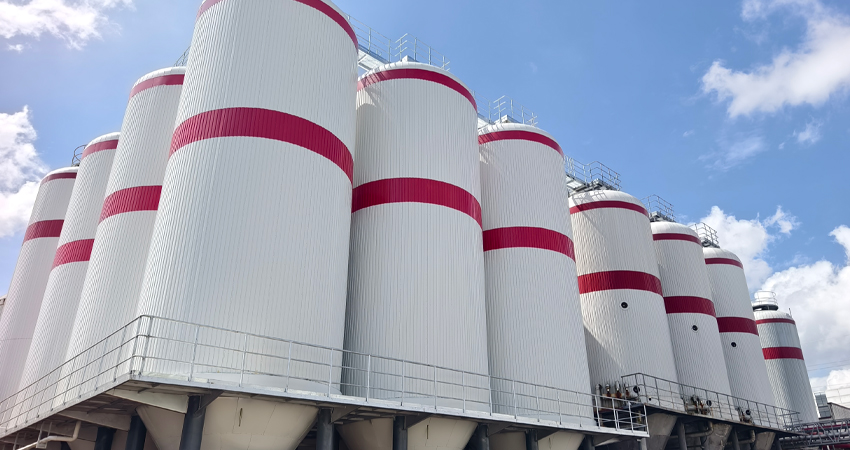
When selecting brewery equipment, price is never the top criterion. For brewery projects, equipment price is often the first concern, yet it should by no means serve as the core basis for decision-making. Equipment selection involves comprehensive consideration of long-term benefits, risk control and operational efficiency. Money saved by chasing low prices may ultimately be offset by production capacity losses, quality fluctuations and high maintenance costs.
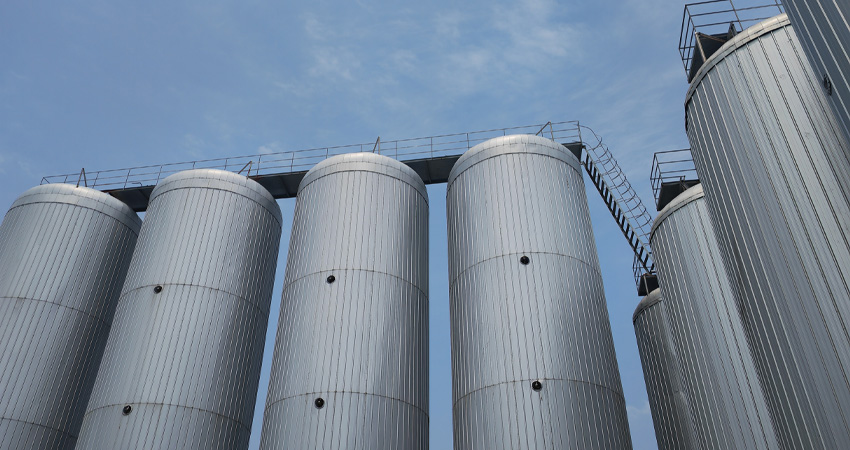
Once a project enters the installation phase, it is often at a critical juncture where everything is ready except for the final essential condition. Nevertheless, this phase also witnesses the most frequent outbreak of problems. Based on practical experience, this article sorts out the five most likely bottleneck links and their corresponding solutions.
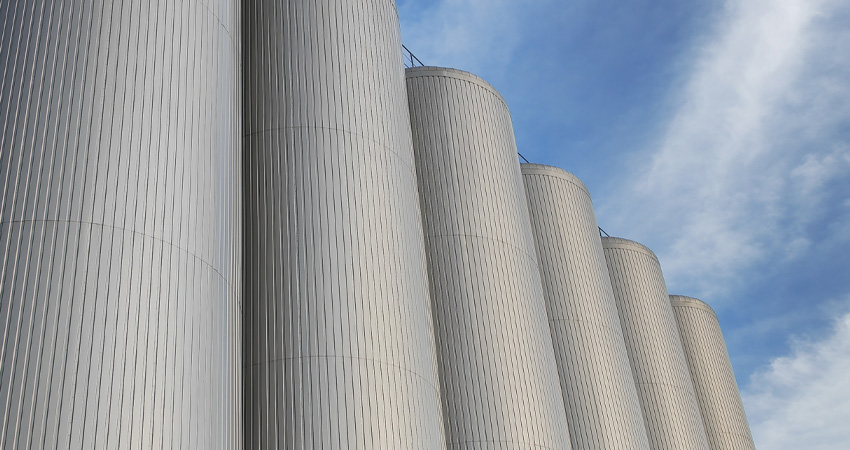
What are the most critical points to figure out in the early‑stage of building a medium‑to‑large‑scale brewery? As suppliers of beer‑brewing equipment, we have served numerous clients. Some found out after plant completion that their equipment was incompatible with production processes, resulting in severe overcapacity or insufficient output. Others realized site‑selection flaws only after commissioning, facing constant constraints on water supply, power supply and sewage discharge. All these pr
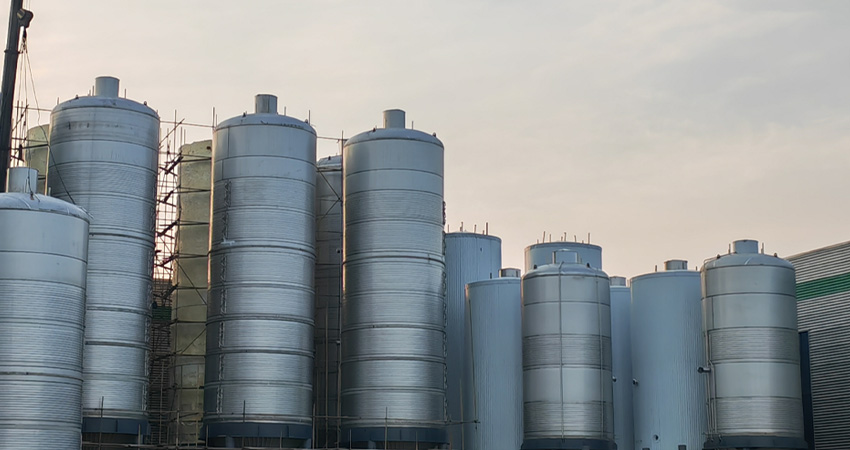
The efficient implementation of the brewery construction project relies on standardized process design and systematic step‑by‑step advancement. To this end, we have sorted out a full‑process standard advancement path ranging from scheme design to installation and delivery, helping you clearly grasp the overall progress context of the brewery construction project.
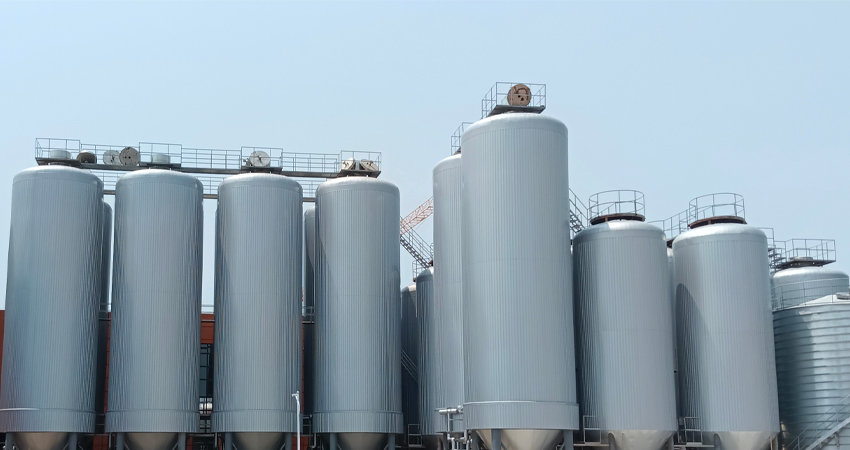
Whether a brewery can be successfully built largely depends on site selection—the first and crucial step. Many clients, when initially considering constructing a brewery, tend to focus first on equipment capacity, mashing configuration, number of fermentation tanks, and packaging methods. However, from an engineering implementation perspective, the site conditions determine numerous subsequent factors: whether the production facility can be adequately laid out, whether utility systems can be pro
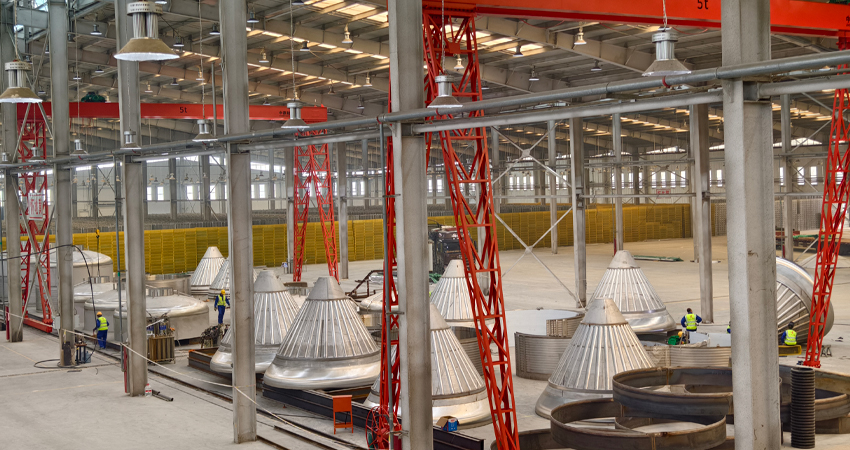
For customers planning to build or expand a brewery, equipment selection is certainly important; however, before selecting equipment, it is even more critical to clearly define certain fundamental engineering boundaries.
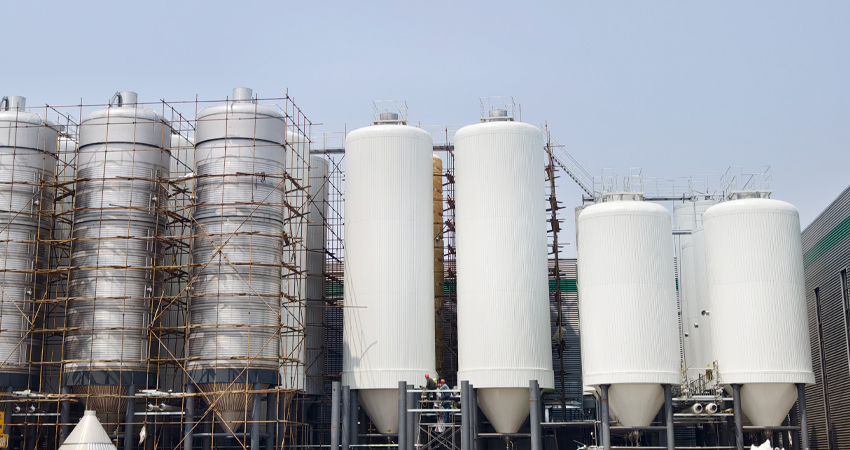
Five thousand tons per year is the threshold where a craft brand becomes an industrial operation. This guide walks through capacity sizing, brewhouse selection, cellar planning and CIP and packaging configuration.